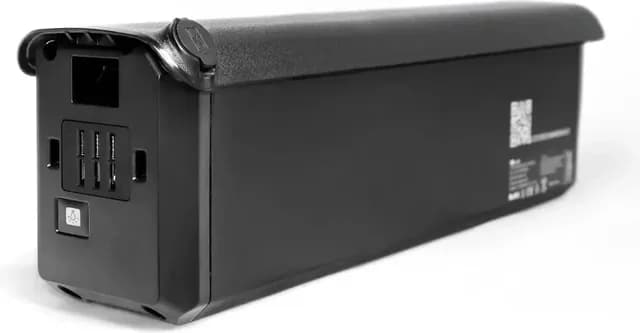
E-Motorcycle Traction Pack 9.6 EV

AutenticitàSolo QR — pacco fisico non verificabilePubblico
This passport is carried by a printed QR code, which is what Art. 13(6) requires. It identifies the battery, it cannot prove that this physical pack is the one the manufacturer registered: a printed code can be copied. Packs carrying an NFC tag can be checked against a tamper-evident seal.
Resolves to this record, as required by the regulation. It proves the passport exists, but it is static: it can be photographed and copied onto another battery.
An NTAG 424 DNA tag generates a one-time signature at every tap, verified server-side, and carries a tamper-evident loop. It is what turns a code that identifies a battery into a check on the physical pack, and it detects a tag moved onto a different one.
Battery identity (Annex XIII)
PublicPlaces this battery on the EU market and answers for this passport under Article 77(4).
Declared recycled content
Post-consumerPre-consumer
Carbon footprint: declaration becomes mandatory for LMT batteries on 18 August 2028. The value will be imported from the cell manufacturer’s LCA and displayed here; the passport schema already provides for it.
Composition and safety (Annex XIII)
Restricted · Annex XIII 2State of health (field data)
Restricted · Annex XIII 4Associated vehicle
RestrictedLifecycle history
Restricted · Annex XIII 4Compliance and surveillance
Restricted · Annex XIII 3End of life and circularity
Public- Battery is removable and replaceable by a qualified professional
- Collection: national WEEE scheme or any authorised dealer